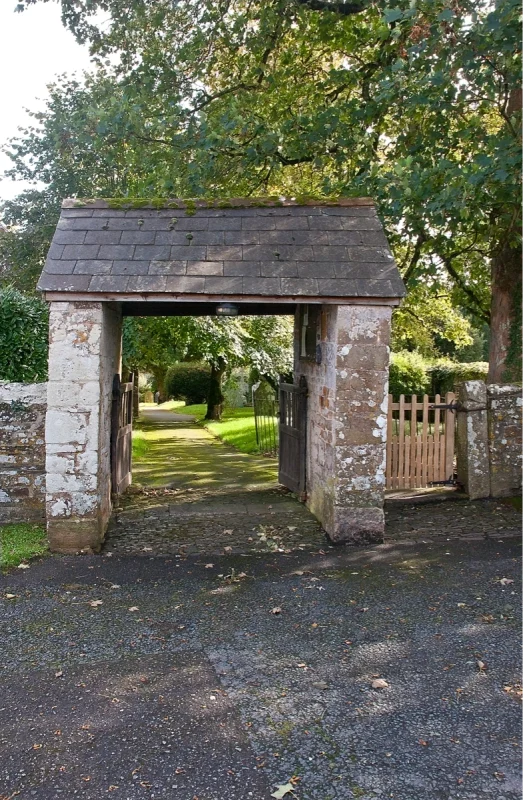
The 15/16th century lychgate is the roofed gateway to the old churchyard, the place where the body was laid until a procession was formed and the priest began the burial service. The earliest marked graves in the old churchyard (God’s Acre) are from the early 1700s. The graveyard was extended twice in the last century and a third addition is planned. The first (northern) extension was consecrated in 1909 and the land for the second extension was donated in the 1950s by a parishioner, Fanny Smale.
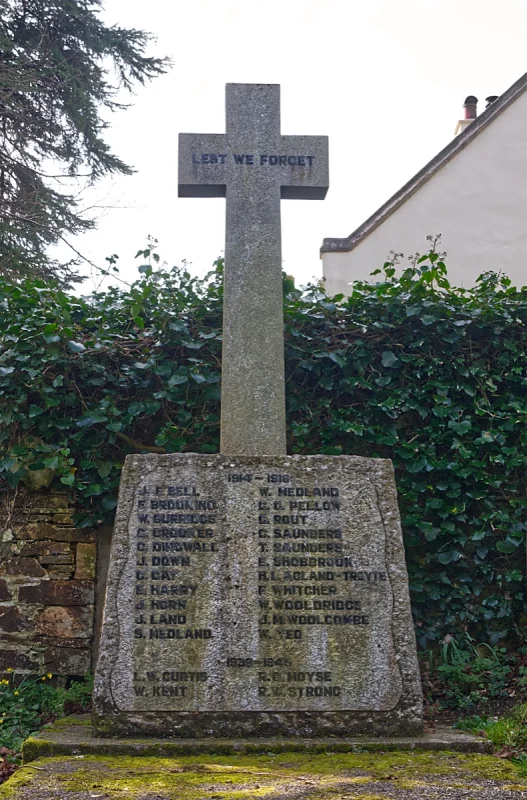
The granite memorial to those who died in the two world wars was dedicated in 1996 and is the focus of the annual Remembrance Day service. The churchyard is a haven for wildlife and supports a wide range of plants and animals and is carefully managed by a team of volunteers with this in mind.
More details can be found in the booklet Northlew old churchyard.
Headstones
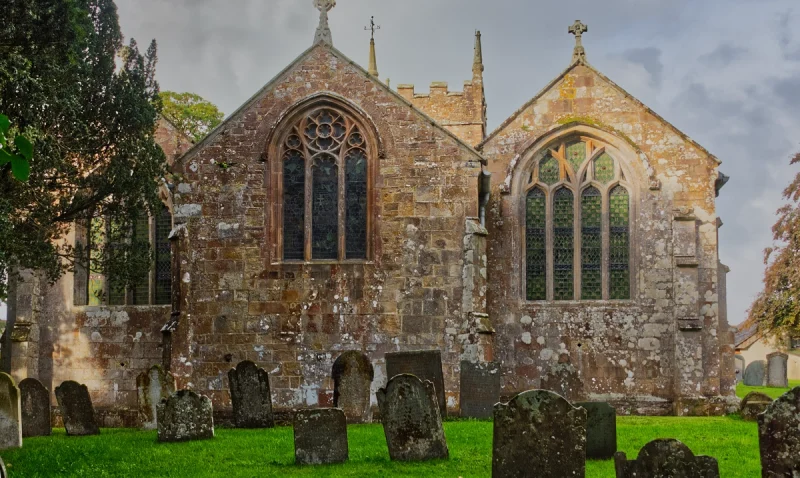
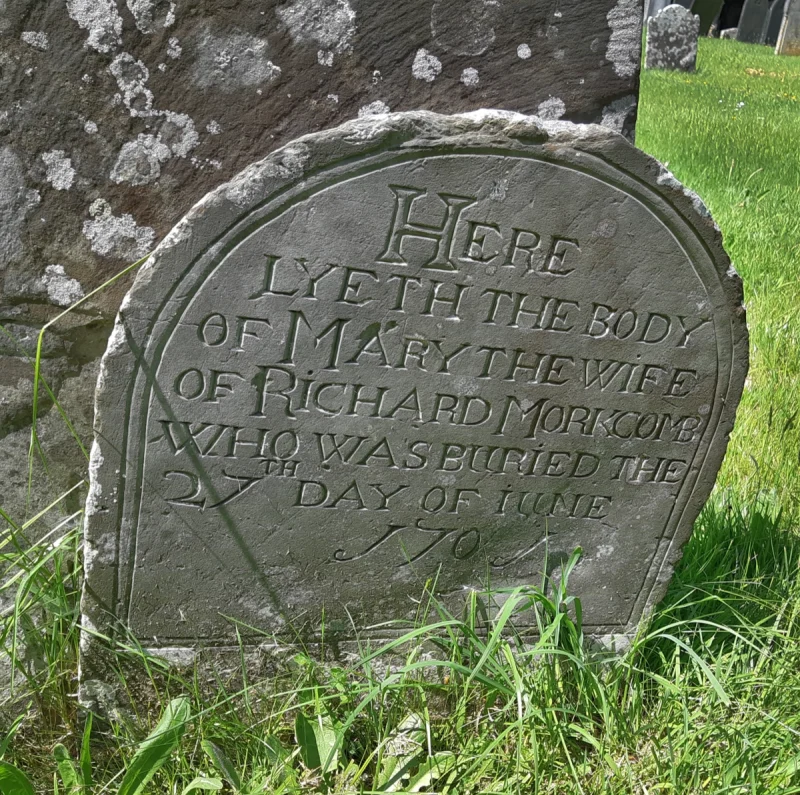
Most headstones in the old churchyard are made from local stone which was readily available. The designs are simple and discreet, reflecting the nature of the rural community. There are no large tombs or mausoleums, although many of the stones from the Victorian era have rather flowery and melancholic epitaphs. The motifs are rich in symbolism.
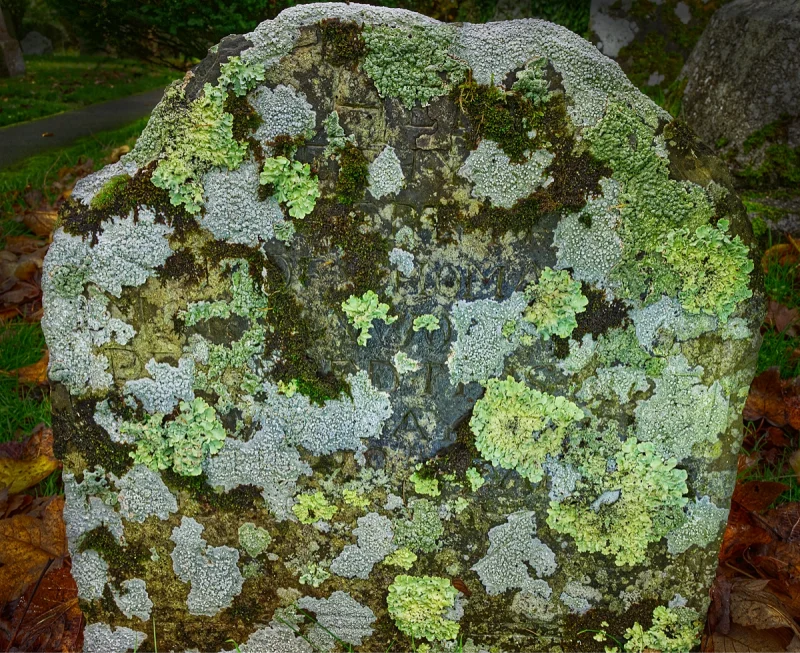
The oldest stones are made of slate which is long lasting and can be carved crisply. The rest are generally sandstone which is softer and more porous, less resilient to the wind and rain.
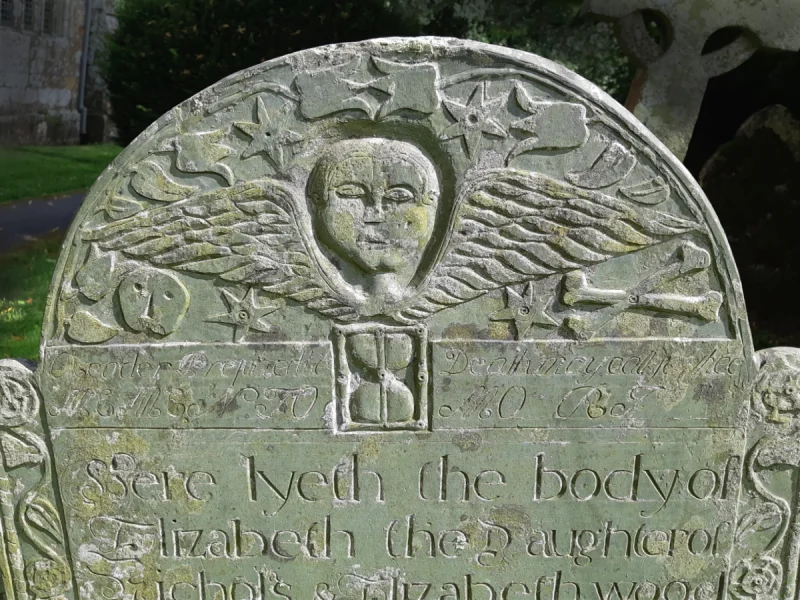
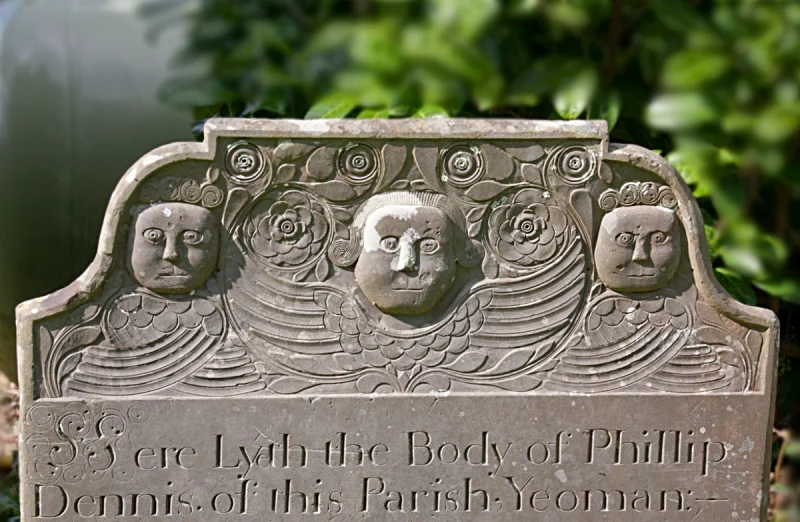
There are three grade II listed slate headstones in the old churchyard. Two commemorate the Dennis family – Phillip, a Yeoman, died in 1784 and his sons as young men in 1765 and 1768. The third, near the church porch, is to Elizabeth Wood who died in 1751 aged 21. It features an hourglass, skull and crossbones, an angel face and wings, stars and flowers – still sharp and clear after all these years.
The living churchyard
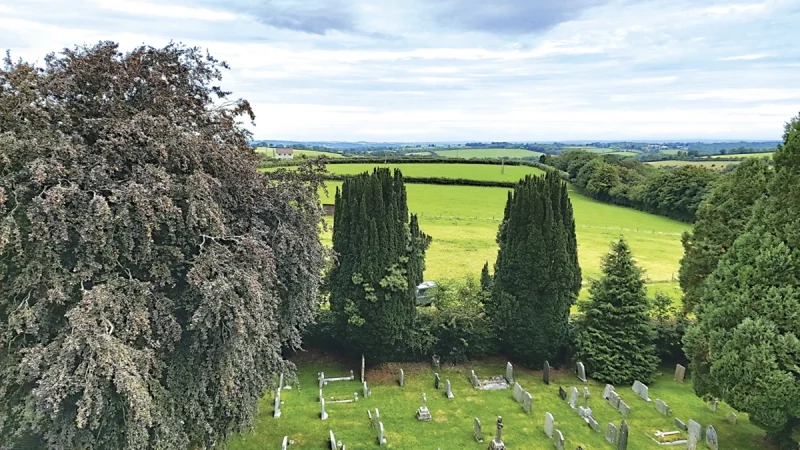
The lack of fertilisers and agrichemicals, along with minimal disturbance over the centuries, makes the churchyard a haven for wildlife. Many different habitats – stone walls, decaying wood, hedges, grassland, trees and shrubs – provide food and shelter for a host of different species making for a thriving ecosystem.
The larger trees in the old churchyard were planted in the early 1900s to replace those that were decaying. Over a hundred years later lime trees and Irish yews – considered symbols of immortality – are found either side of the main path, while a large beech shades the bottom gate and a sycamore dominates the lychgate entrance.
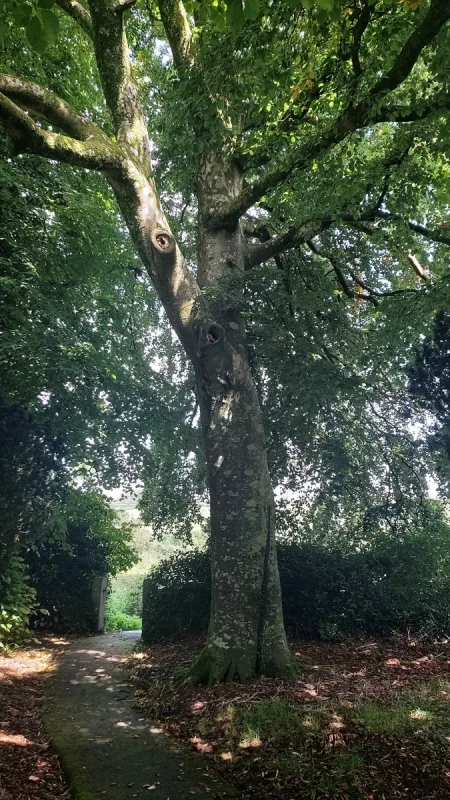
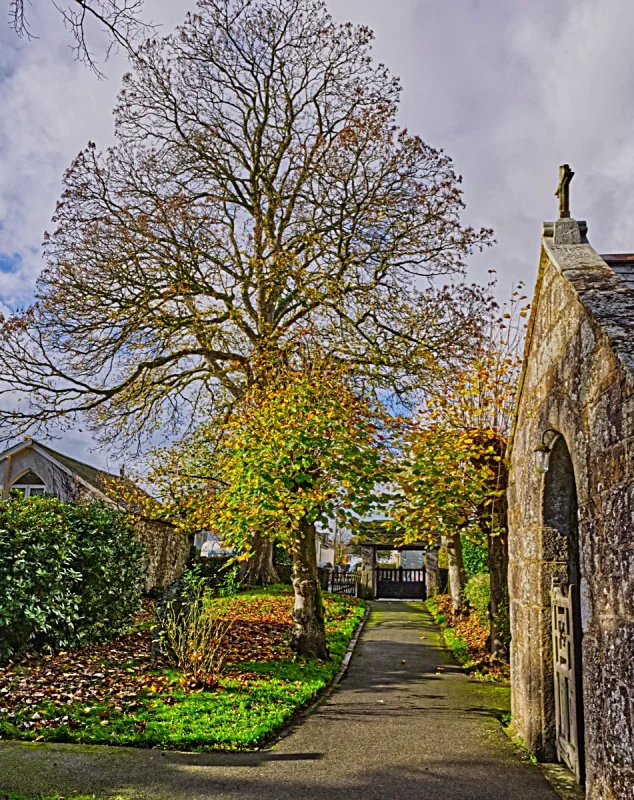
The path through the churchyard is a great place to trace the succession of flowers through the seasons. The snowdrops near the porch are first to herald spring, followed by the crocuses, daffodils, celandine, cow parsley and pimpernels.
Some are cultivated, planted by parishioners over the years. Others are native species that pop up every year, encouraged by leaving the grass uncut in the growing season. The fragrant crimson Thomas a Becket rose near the porch reminds us each year of our Patron saint.
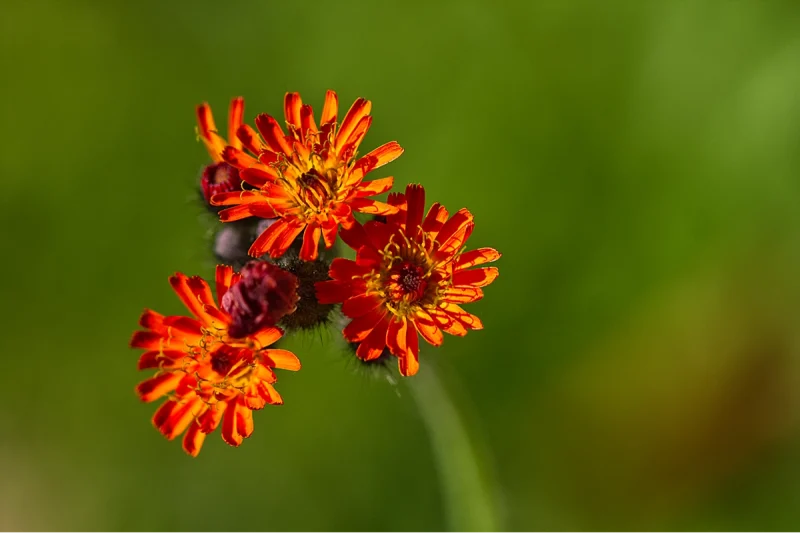
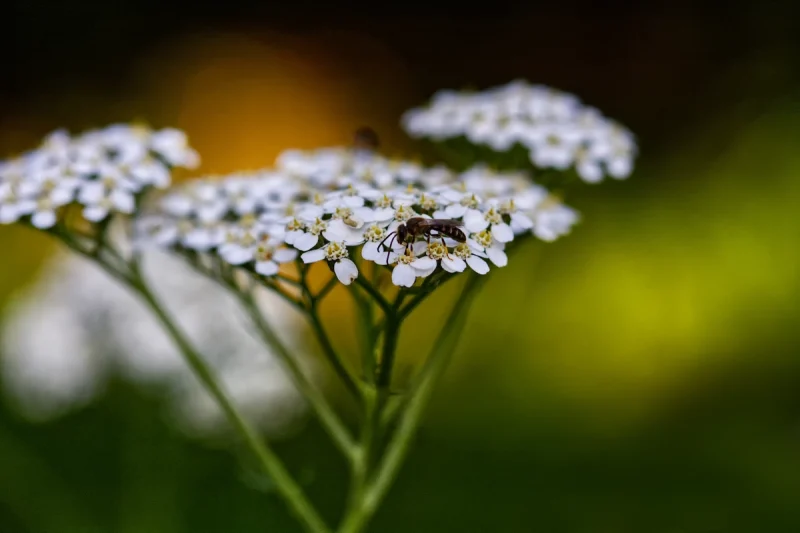
The burial ground provides an ideal habitat for lichens with clean air and a range of substrates to colonise. They are on the church walls and often obscure the writing on the headstones. Mosses and fungi thrive here too, providing food and shelter for animal life.
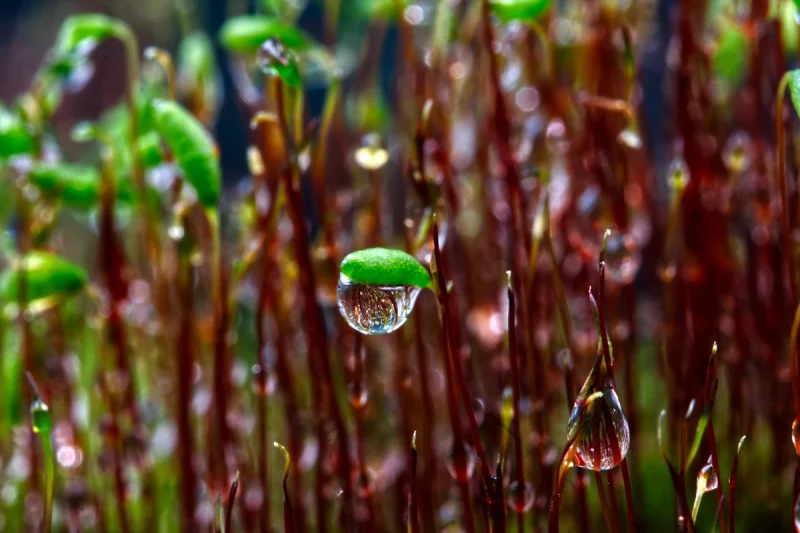
There are all the larger species you might expect – birds, bats, hedgehogs, foxes. But there are masses of invertebrates here as well – in the soil, in the trees, in cracks in the walls, under logs – all providing food for those higher up the food chain. And micro-organisms doing their invisible best to keep the wheels turning.
An ecosystem like no other.